Best Times for Stationary Bike Installations
Scheduling stationary bike installations involves considering factors such as weather conditions, availability of installation professionals, and user readiness. Typically, the most suitable times are during periods of moderate weather, avoiding extreme cold or heat which can complicate setup or transportation. Planning installations during off-peak seasons can also ensure quicker scheduling and fewer delays.
Spring and fall often provide ideal weather for outdoor setup and delivery, reducing logistical challenges.
Mid-week appointments tend to be more available, avoiding weekend and holiday surges.
Allow sufficient time for site preparation and space clearing before installation.
Ensure the space designated for the stationary bike is accessible and prepared in advance.
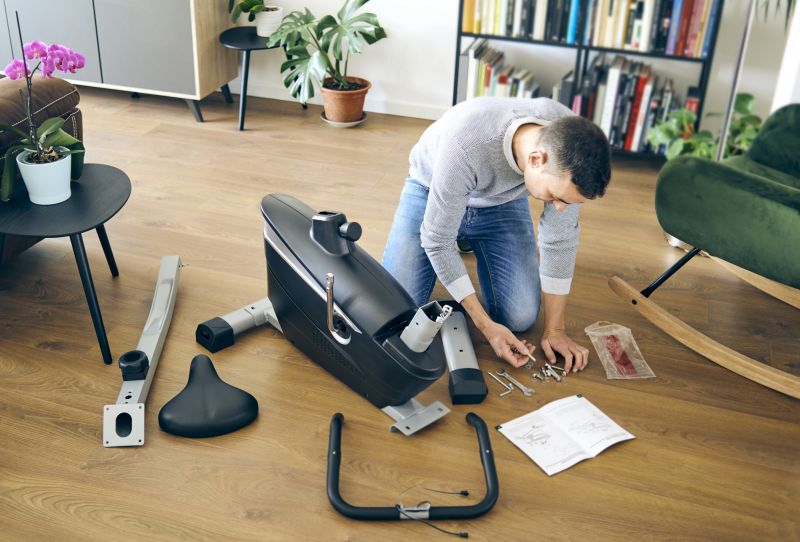
Technicians delivering stationary bikes amid blooming landscapes.
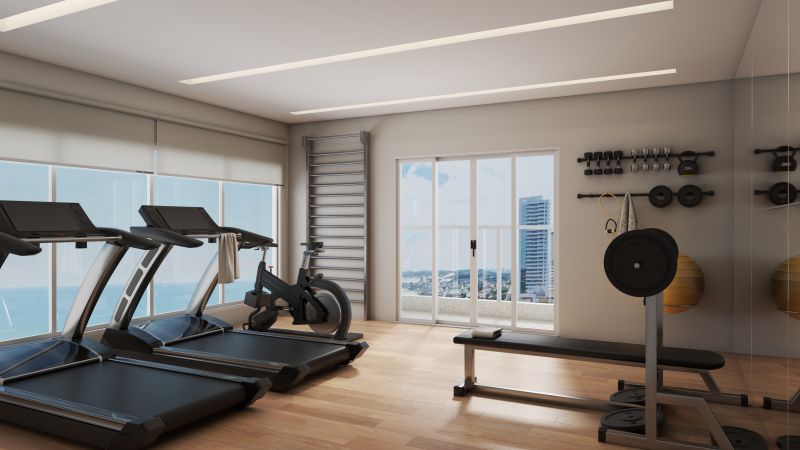
Installing stationary bikes inside homes during warm months.
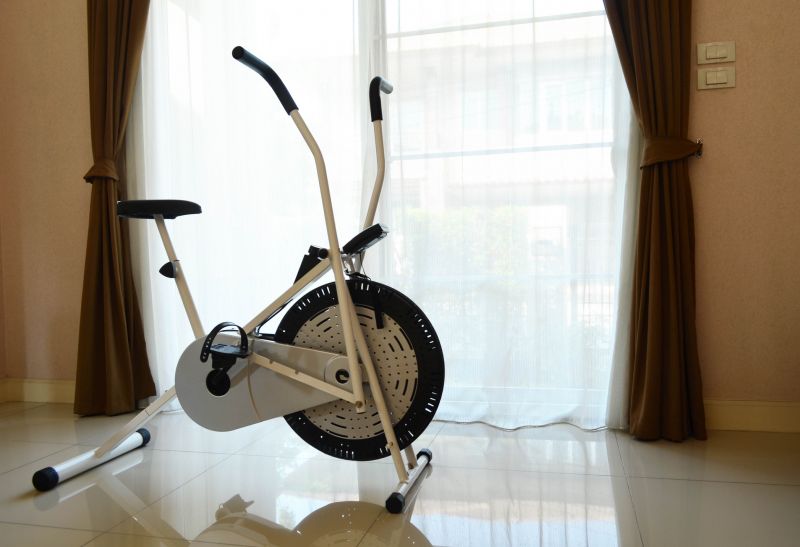
Moving bikes through leaf-covered pathways to prepare for indoor use.
Ways to make Stationary Bike Installations work in tight or awkward layouts.
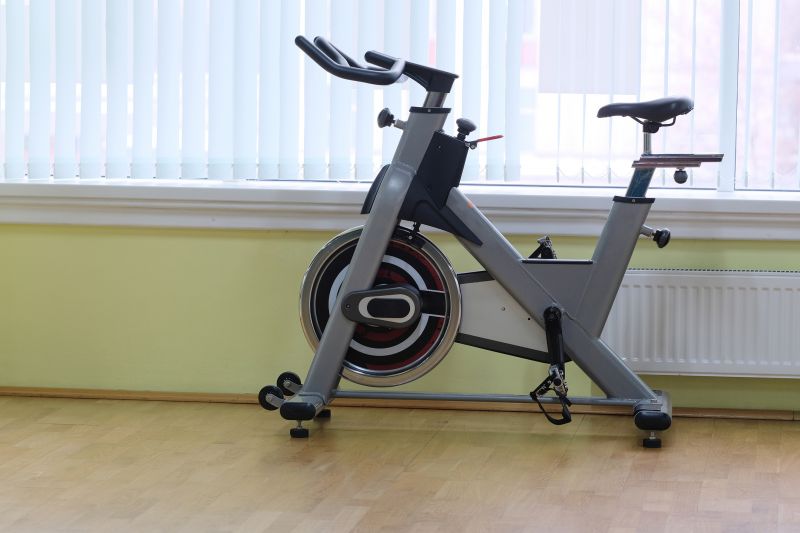
Popular materials for Stationary Bike Installations and why they hold up over time.
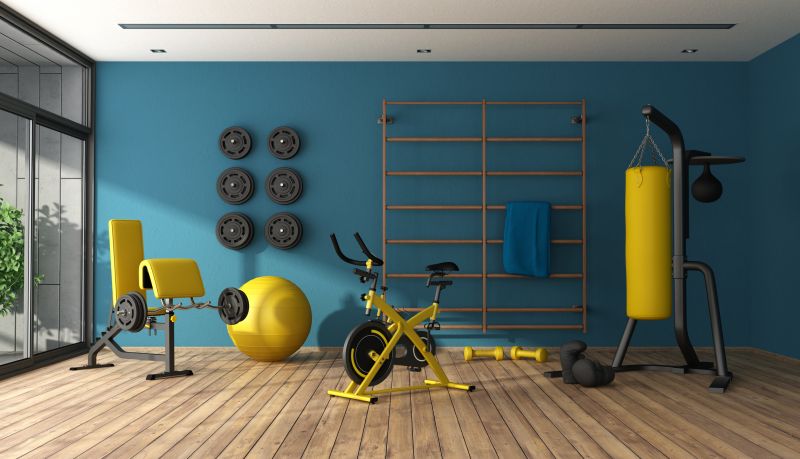
Simple add-ons that improve Stationary Bike Installations without blowing the budget.
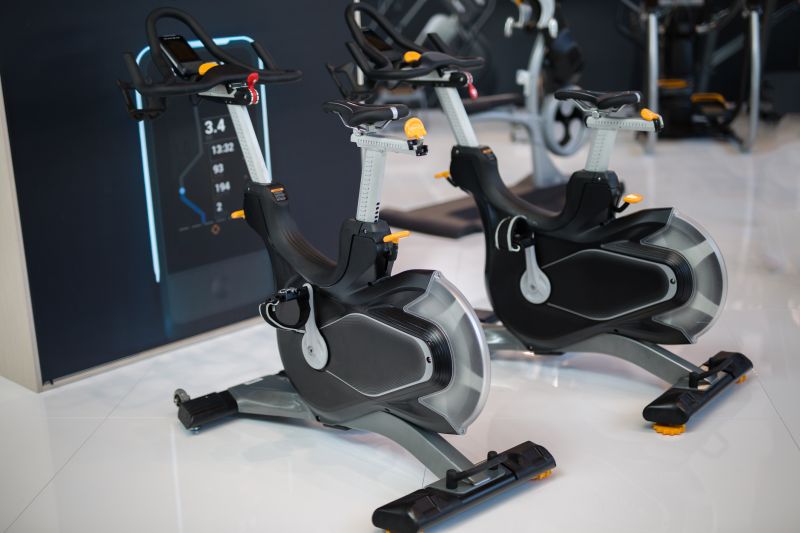
High-end options that actually feel worth it for Stationary Bike Installations.
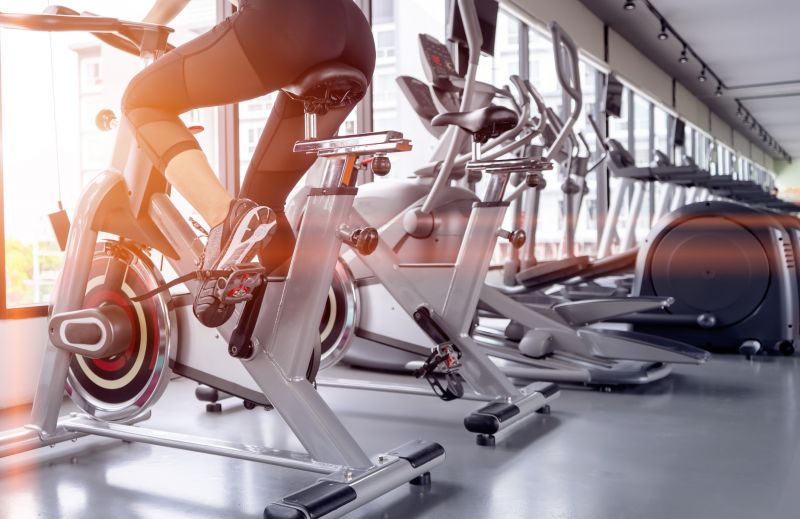
Finishes and colors that play nicely with Stationary Bike Installations.
| Factor | Recommendation |
|---|---|
| Weather Conditions | Schedule during mild weather to ease transportation and setup |
| User Availability | Coordinate with user’s schedule for optimal convenience |
| Professional Scheduling | Book in advance during busy seasons |
| Space Preparation | Ensure the installation area is ready beforehand |
| Seasonal Considerations | Prefer spring or fall for outdoor delivery |
Stationary bike installations are a key step in establishing a dedicated fitness space. Proper timing ensures the process is efficient and minimizes disruptions. Understanding seasonal variations and logistical factors can help optimize scheduling and reduce delays.
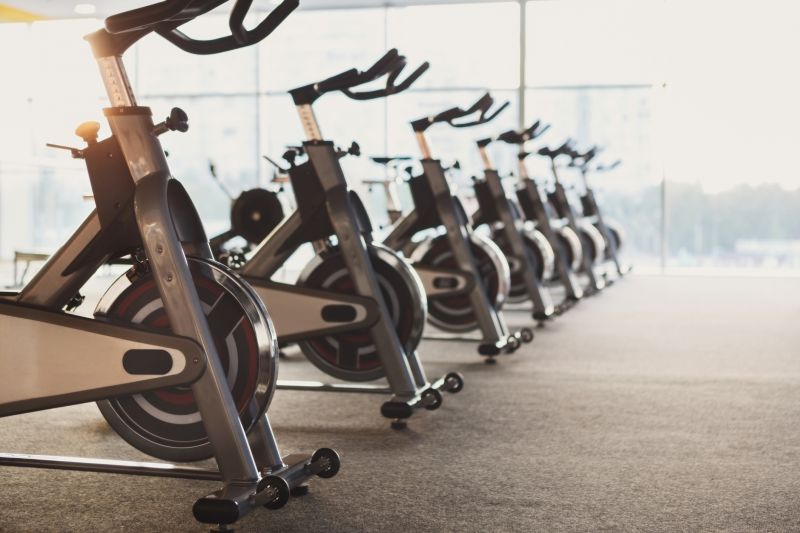
Technicians setting up stationary bikes inside a home gym.

Bike being delivered through a residential driveway.
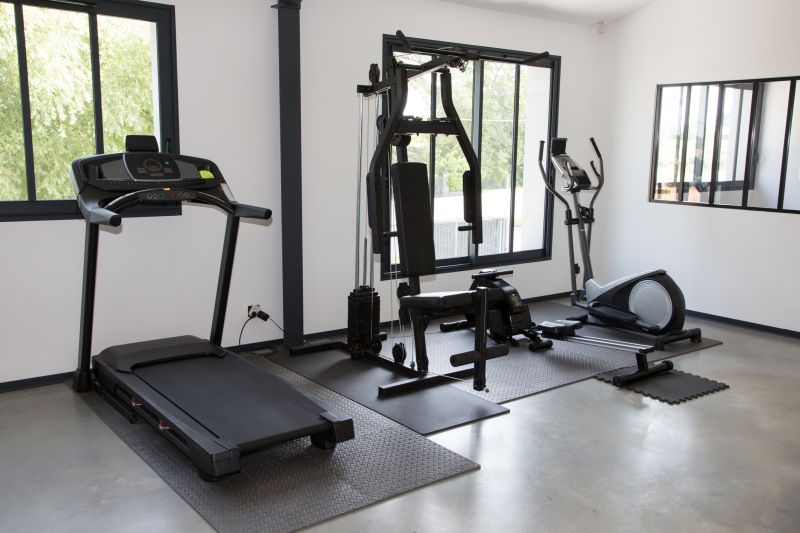
Measuring and preparing the designated area for installation.
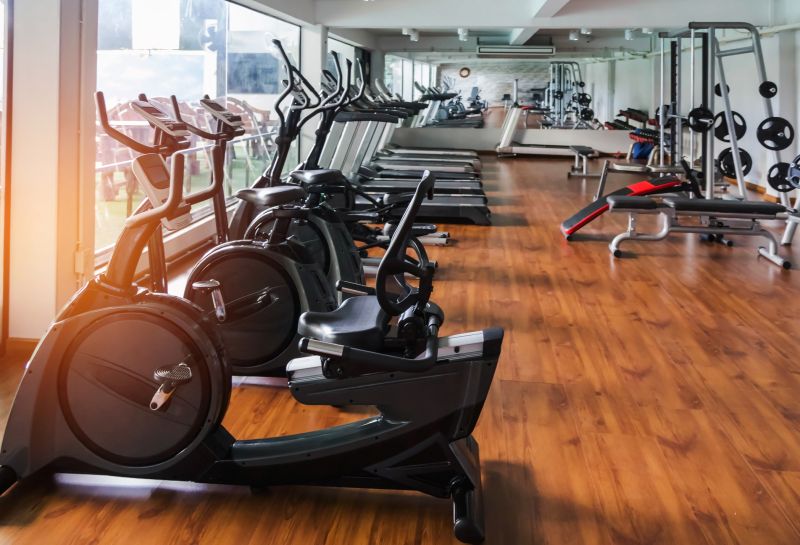
Unpacking stationary bikes in a spacious room.
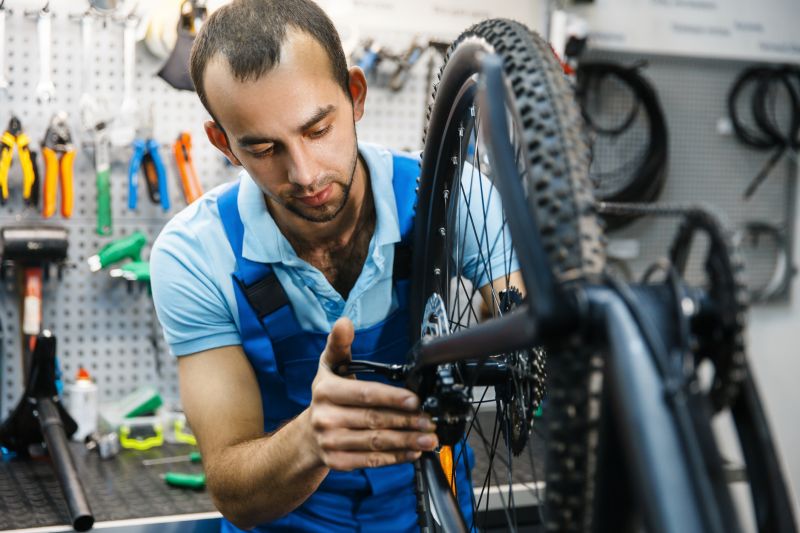
Ensuring the stationary bike is properly aligned and secure.
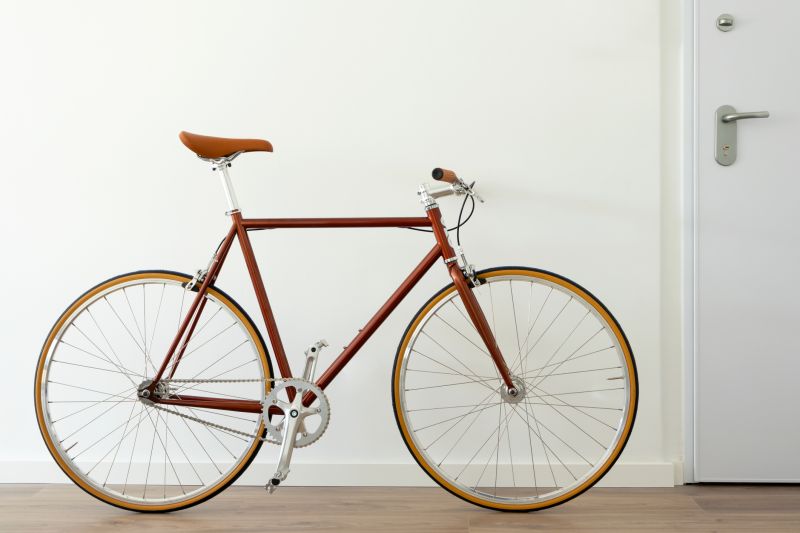
Demonstration of bike features after installation.
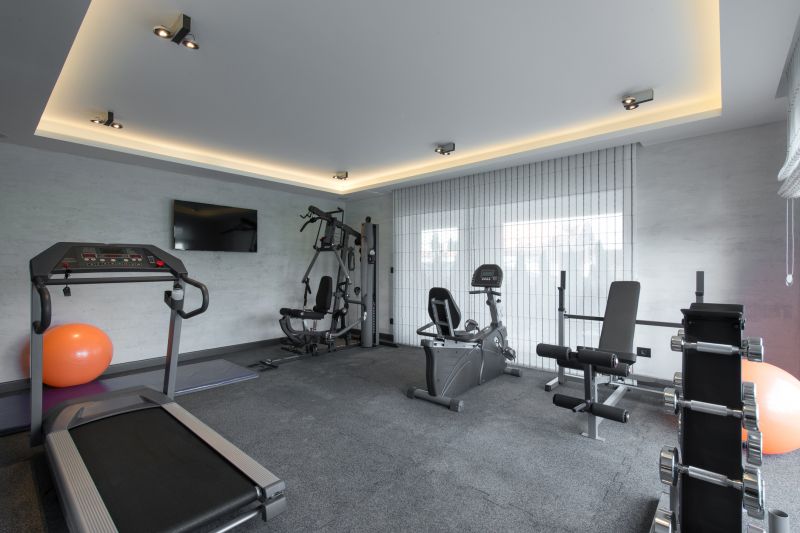
Stationary bike installed in a dedicated fitness room.
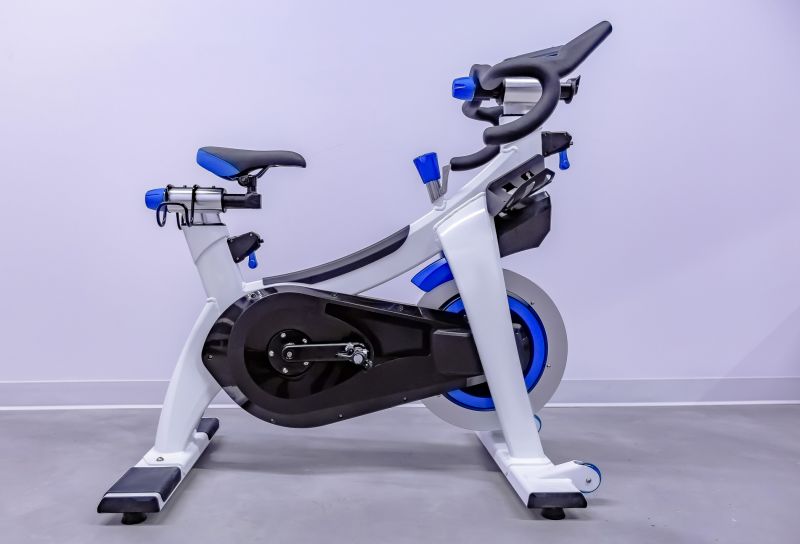
Transporting bikes to a residential location.
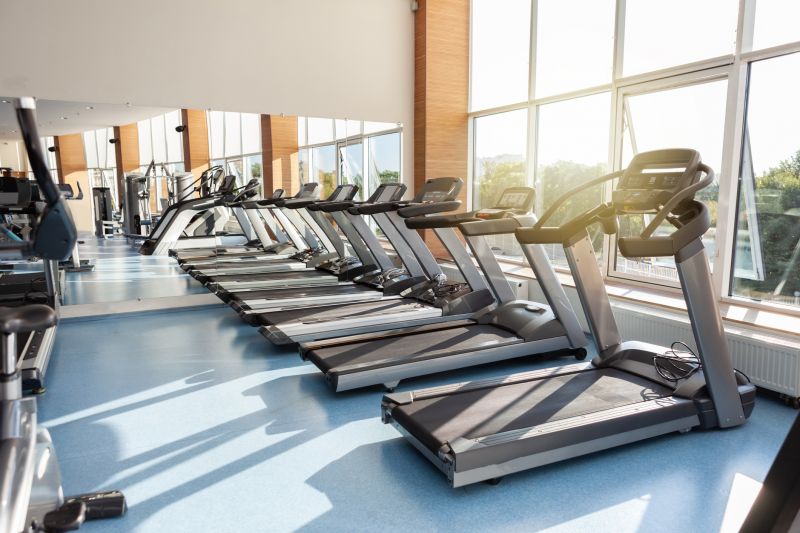
Arranging the area for maximum workout comfort.
Final inspection to ensure proper setup.
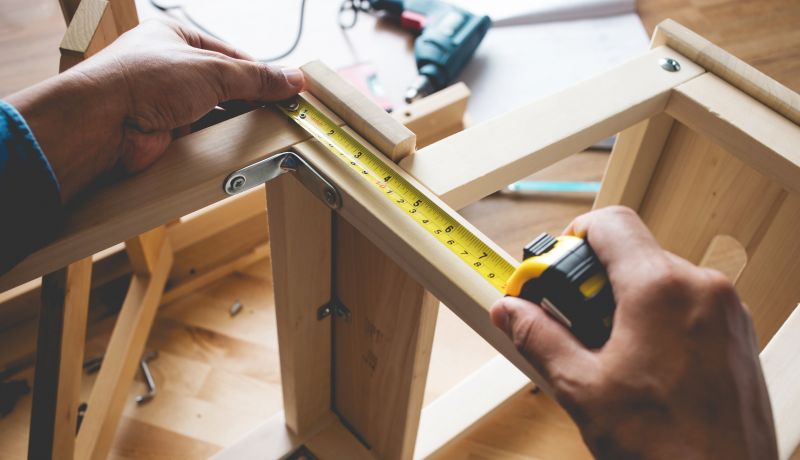
Little measurements that prevent headaches on Stationary Bike Installations day.
A 60-second routine that keeps Stationary Bike Installations looking new.
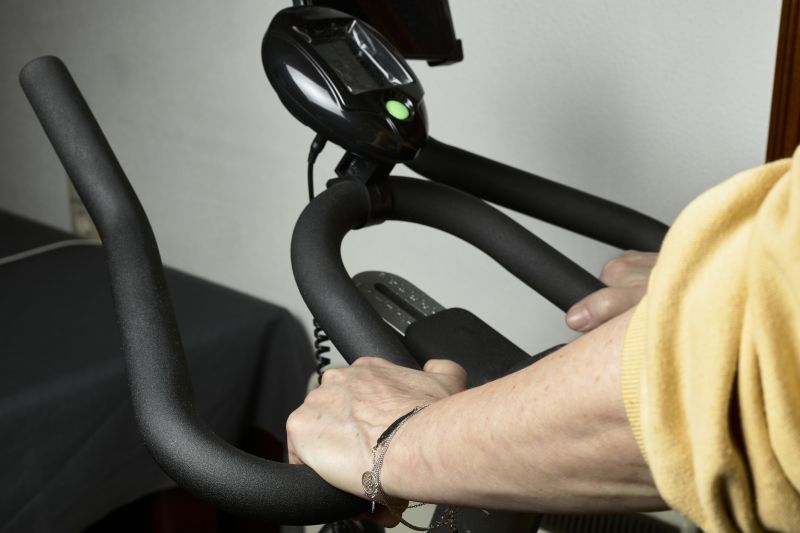
A frequent mistake in Stationary Bike Installations and how to dodge it.
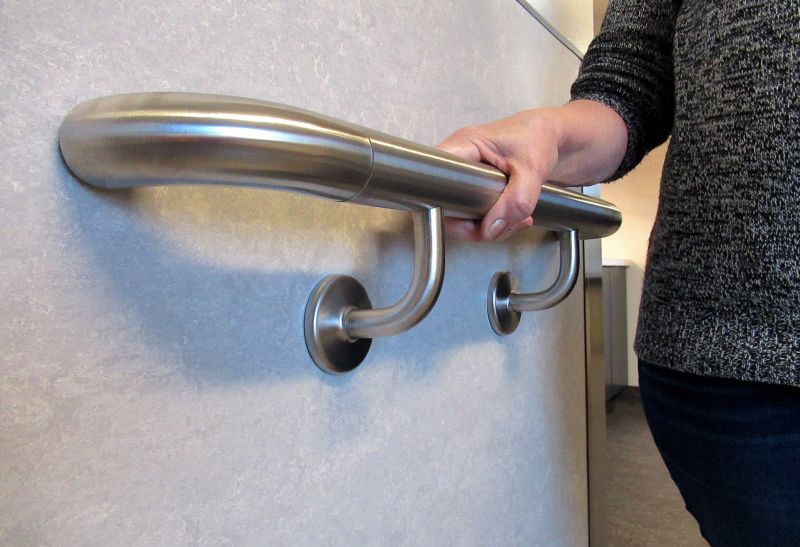
Small tweaks to make Stationary Bike Installations safer and easier to use.
Interested in scheduling a stationary bike installation? Filling out the contact form can facilitate planning and ensure the process aligns with personal schedules and preferences.